The Cloud One — Constraint as Form
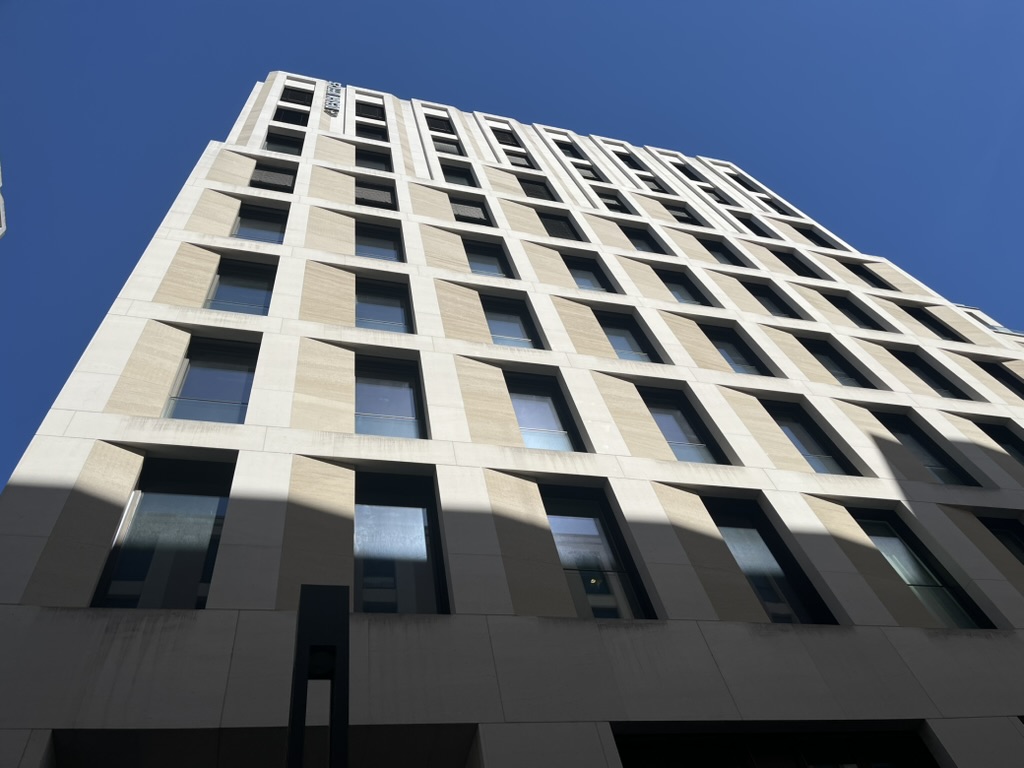
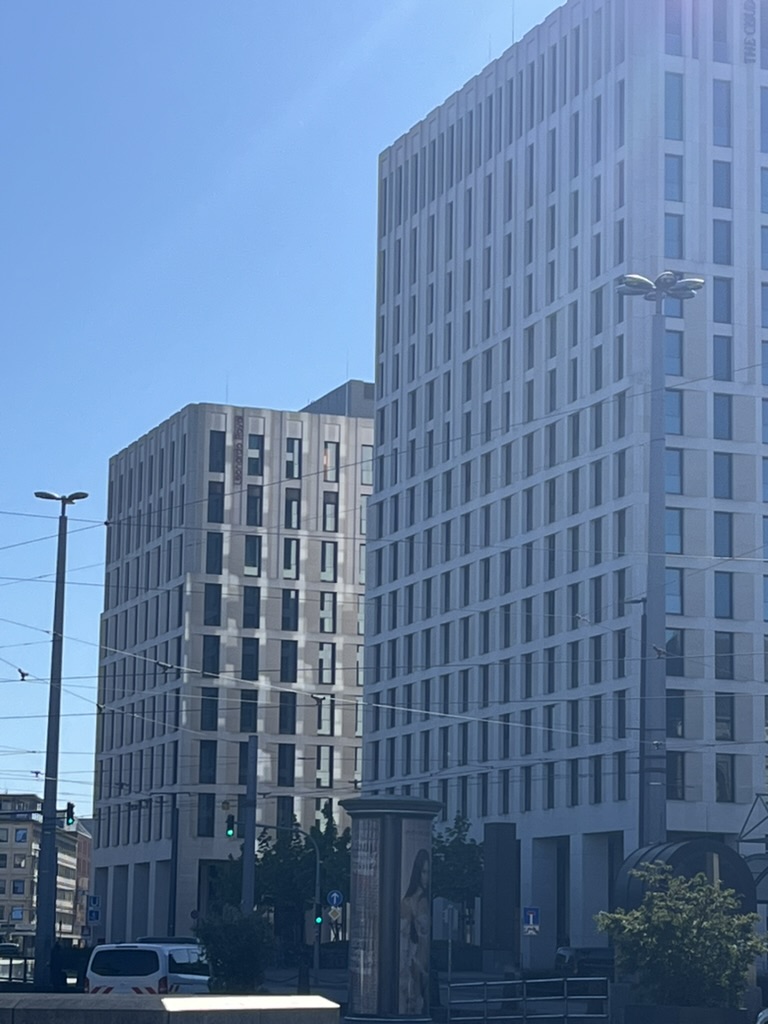
There is something immediately legible about this building.
Not in the sense that it explains itself, but in the sense that it does not hide.
The facade is repetitive, almost stubbornly so.
Windows sit inside a rigid grid, slightly recessed, casting shadows that shift with the sun.
Nothing ornamental, nothing excessive. Just structure, repeated until it becomes identity.
Through an Autonomy Theory lens, this is not style. It is constraint made visible.
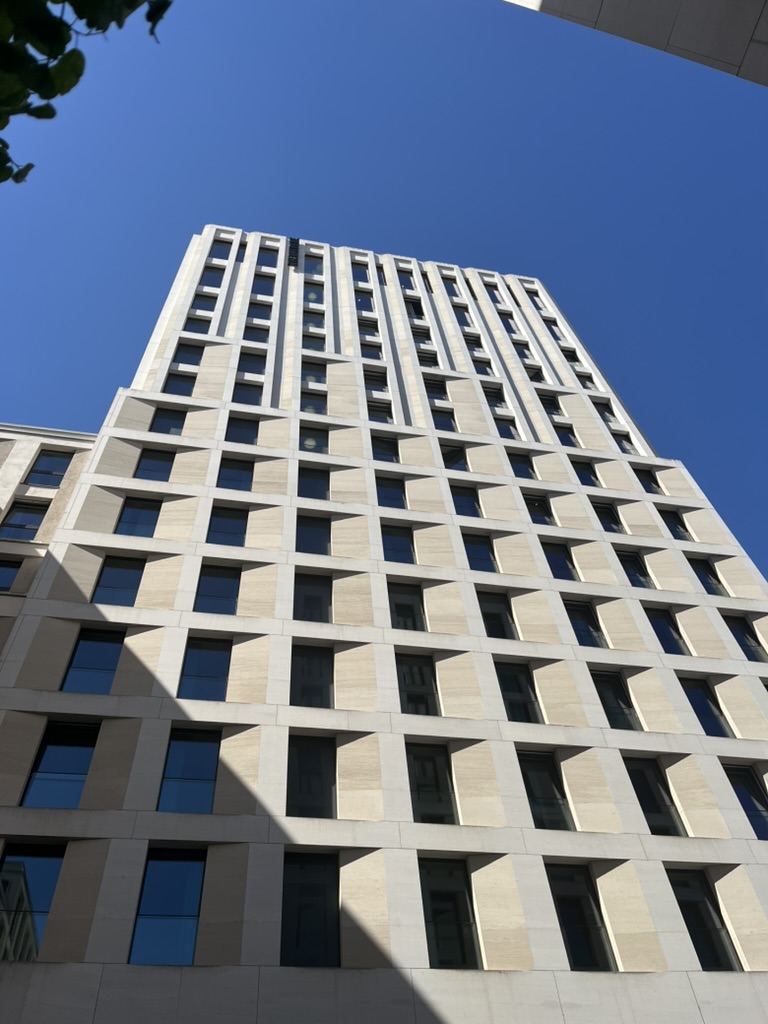
Form is not decoration
At first glance, the building looks minimal.
But minimalism here is far from aesthetic restraint
It is:
the absence of unnecessary degrees of freedom
The grid is not a design choice layered on top.
It is the resolution of multiple constraints:
-
structural load distribution
-
material modularity
-
cost efficiency
-
interior room repetition
-
facade maintenance
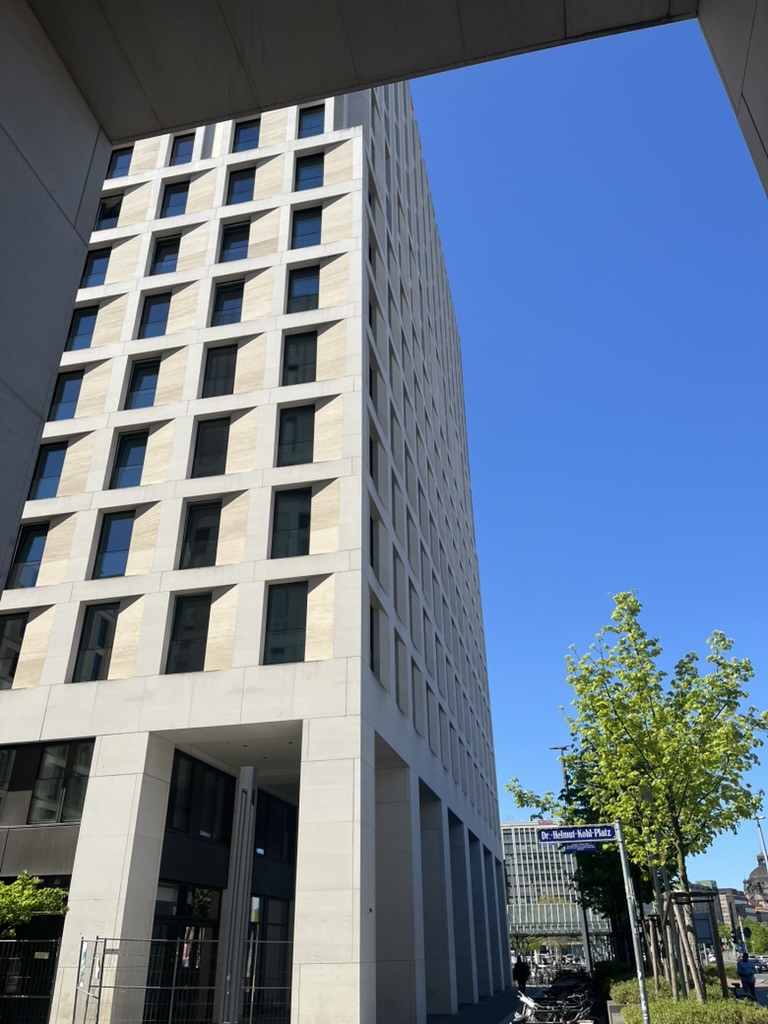
Each window is where it must be.
Each recess exists because something behind it required it.
Nothing is pretending.
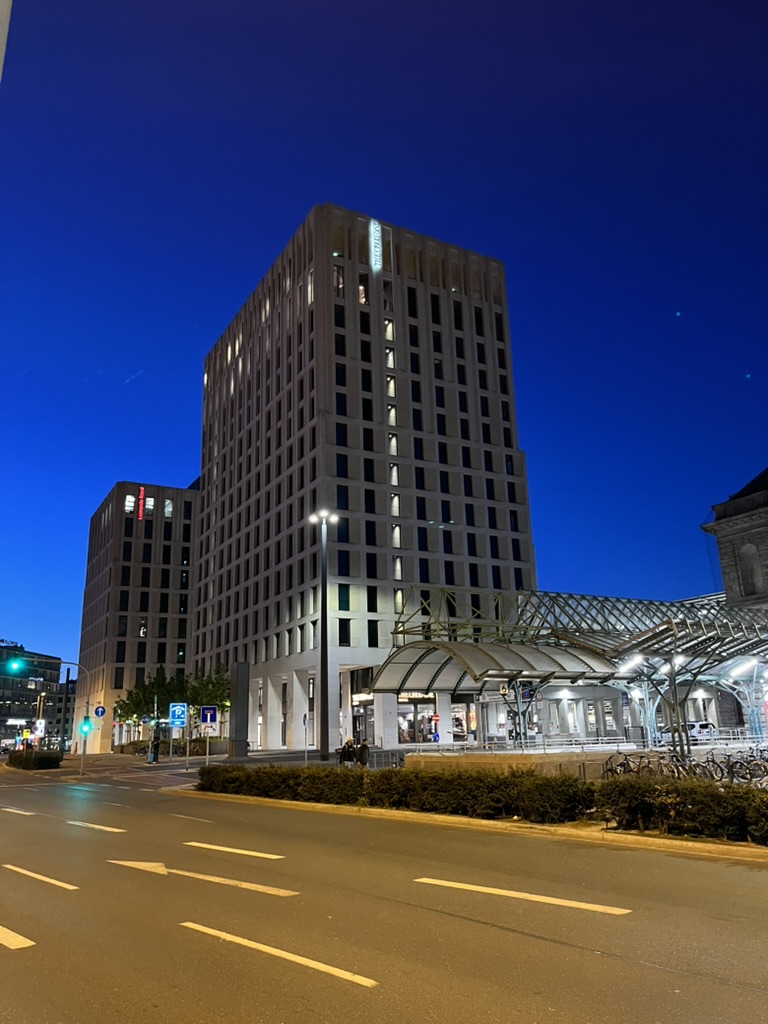
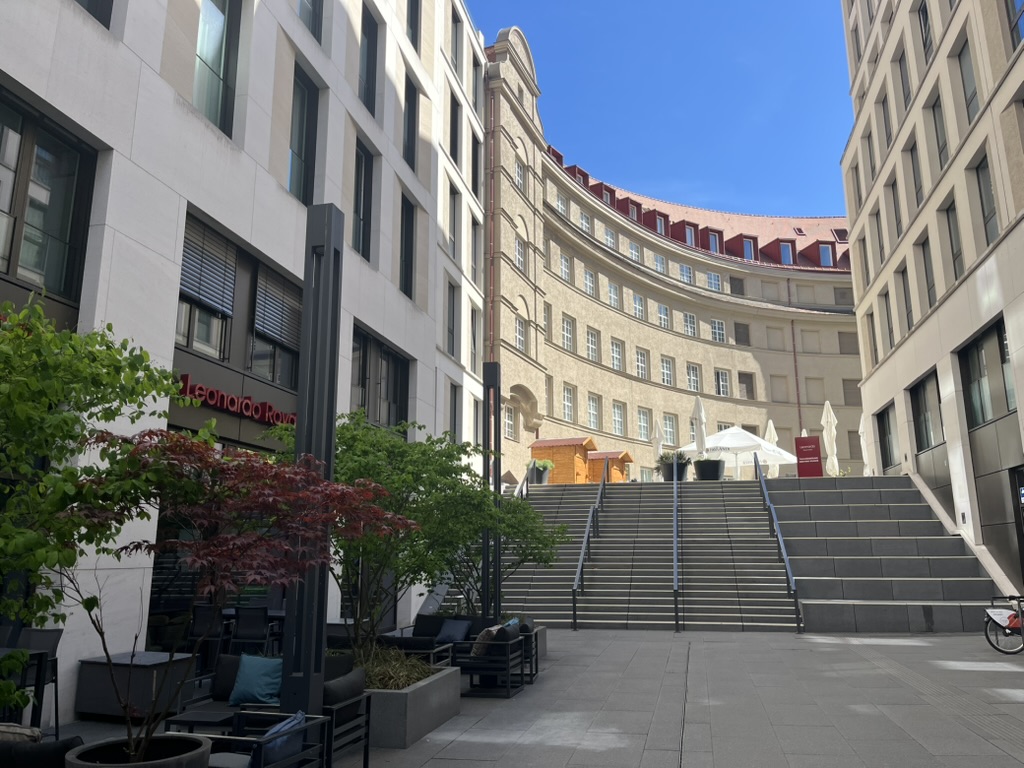
The inner garden
Inside, the building closes onto itself.
The courtyard is not accidental space.
It is:
residual geometry after perimeter constraints are satisfied
Surrounded by its own walls, the garden becomes:
-
a light well
-
a buffer from the street
-
a shared interior field
The building defines its own environment.
Not by adding elements, but by enclosing them.
Reflection as consequence
In the late hours, something unexpected appears.
The sun hits one facade,
and reflects onto another.
For a moment, crosses emerge on the opposite wall—
not drawn, not installed, not intended.
Just:
light interacting with geometry
This is not symbolism.
It is:
a pattern produced by constraint interaction
Angle, surface, material, time.
Nothing more.
Nothing less.
Utility without narration
The building does not try to explain itself.
It does not guide you through meaning.
It simply:
-
holds structure
-
distributes space
-
resolves light
-
repeats function
And in doing so, it becomes coherent.
The real takeaway
Most architecture tries to:
-
express identity
-
signal intention
-
add layers of meaning
This one feels different.
It feels like:
it could not have been otherwise
Not because it is perfect,
but because its constraints have been taken seriously enough
that the remaining form is the only stable resolution.
Closing
Form, utility, function—
these are not separate layers.
They are:
different views of the same constraint field
And when the constraints are not hidden,
the building does not need to speak.
It simply stands.